

Why Does My Dog Eat Grass? Causes, Risks, and When to Worry

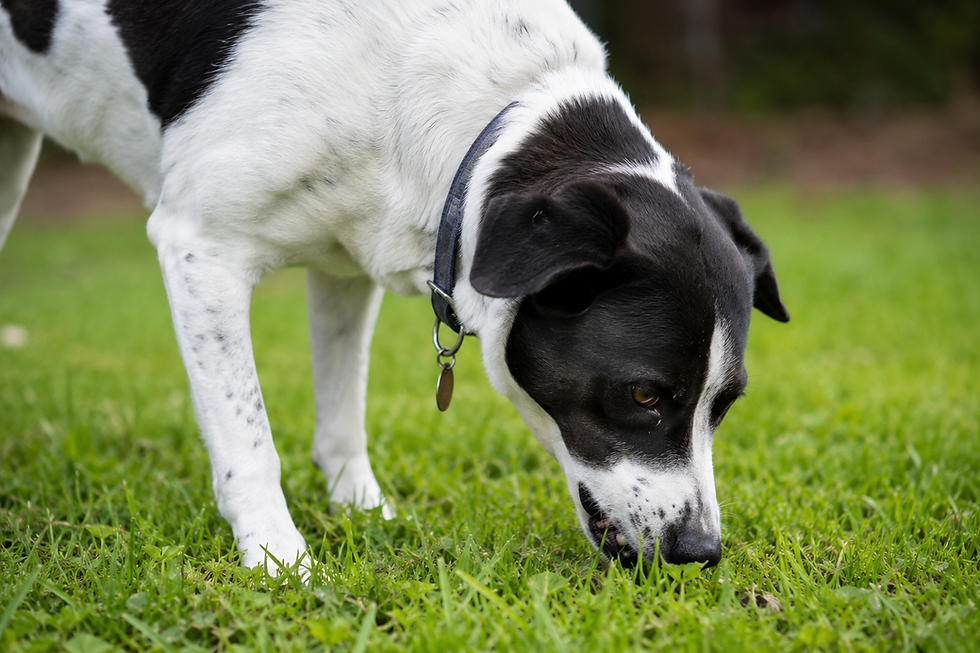
If you have ever watched your dog eating grass during a walk or in the garden, you are not alone. Many pet owners ask, "Why does my dog eat grass?" This behaviour, though strange, is common and usually harmless. However, excessive grass-eating may indicate an underlying issue.
Now, we'll explore the main reasons dogs eat grass, potential risks, and when you may need to contact your veterinarian.
Does Dogs Eating Grass Mean Something Is Wrong?
Yes, dogs eating grass is considered normal behaviour. Studies suggest that many dogs eat grass occasionally, regardless of their breed, age, or diet. Some dogs nibble grass casually during walks, while others actively seek it out.
Although many believe dogs eat grass because they feel sick, this is not always true. Most dogs show no signs of illness before or after eating grass.
Common Reasons Why Dogs Eat Grass
1. Natural Instinct and Ancestral Behaviour
Dogs descended from wild canines whose ancestors consumed plant material. Wolves and wild dogs also ate the stomach contents of herbivorous prey, including grass. Your dog's grass-eating habit may be inherited.
2. Boredom or Anxiety
Some dogs eat grass out of anxiety or boredom, especially if left alone, understimulated, or insufficiently exercised.
Signs your dog may be eating grass due to boredom include:
Excessive chewing
Digging
Pacing
Attention-seeking behaviour
Destructive habits
Providing interactive toys, daily walks, and enrichment activities can help reduce compulsive grass eating.
3. Dietary Deficiency
A poor or unbalanced diet may make dogs crave fibre or nutrients. Review your dog's diet if grass eating is frequent.
High-quality dog food that includes adequate fibre can sometimes reduce grass consumption.
4. Digestive Upset
Many dog owners assume that dogs eat grass to induce vomiting. While some dogs may do this when experiencing stomach discomfort, research suggests that only a small percentage actually vomit afterwards.
Still, mild digestive irritation, nausea, or gas could encourage grass eating in some cases.
5. Enjoyment of Taste or Texture
Some dogs like the feel and flavour of fresh grass, especially in spring or summer.
For some pets, eating grass is no different than chewing on a favourite treat or toy.
.
Now that we've covered why dogs eat grass, you might be wondering if this habit is actually dangerous for your pet.
In most cases, eating grass is not harmful. However, there are a few risks pet owners should be aware of:
Pesticides and Chemicals
Grass with pesticides, herbicides, or fertilisers can be toxic. Prevent your dog from eating grass in treated areas.

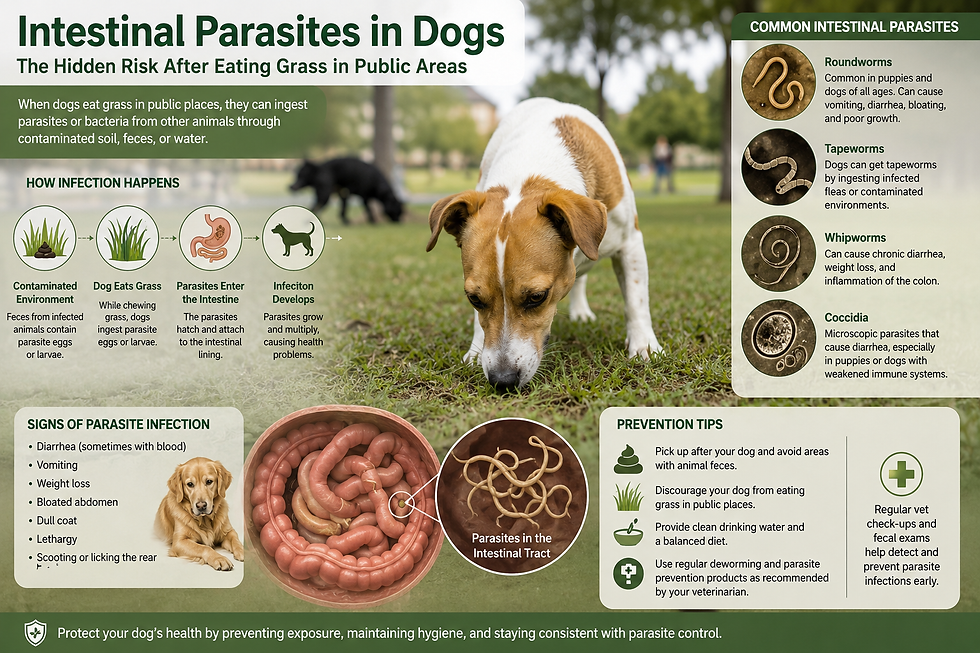
Intestinal Parasites
Dogs eating grass in public areas risk ingesting parasites or bacteria from other animals.
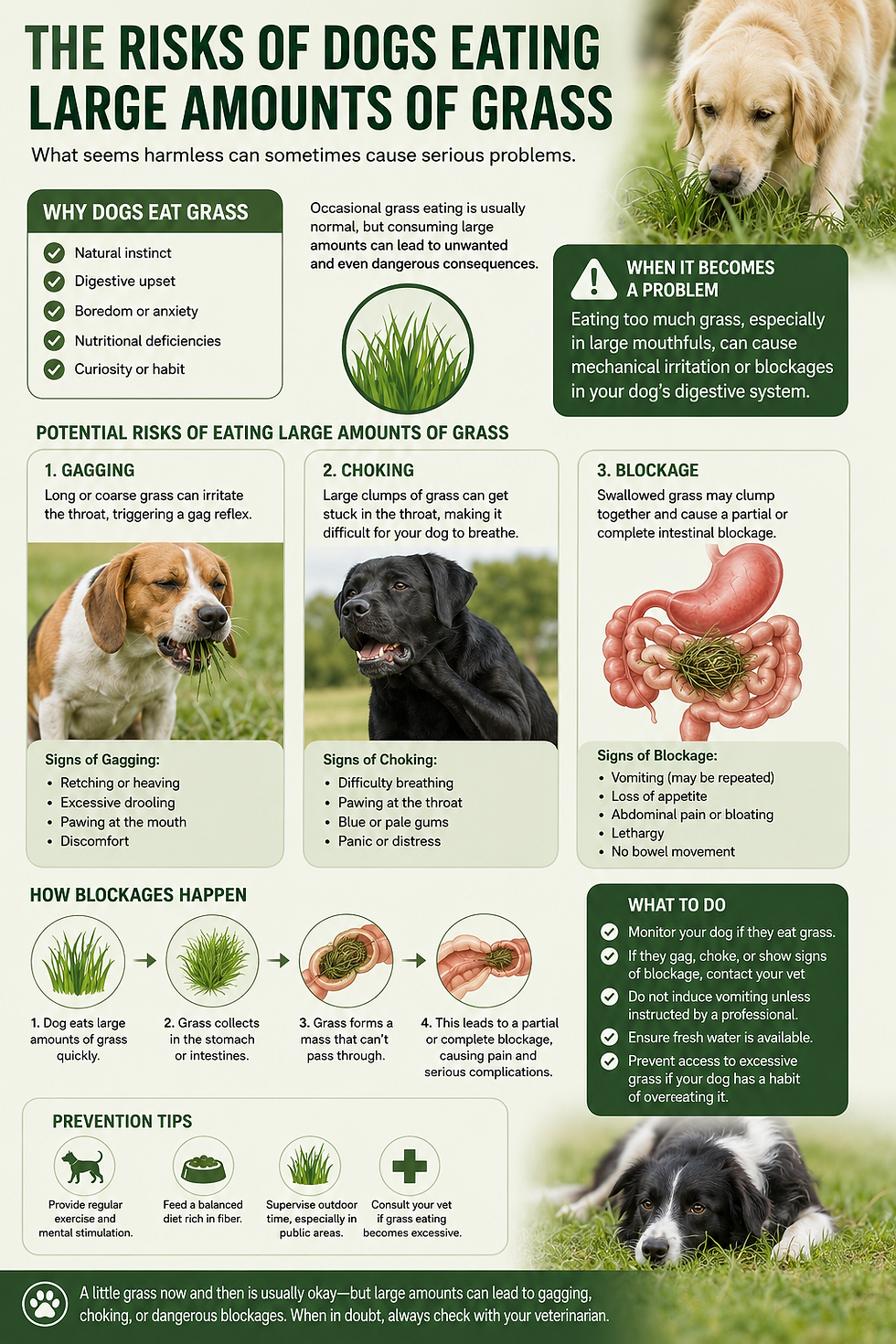
Choking or Intestinal Blockage
Eating large amounts of grass may cause gagging, choking, or blockage if swallowed quickly.
Although most grass eating is harmless, it's helpful to recognise when you should be concerned about your dog's behaviour.
Occasional grass eating is usually harmless. However, you should contact your vet if your dog shows any of the following symptoms:
Frequent vomiting
Diarrhoea
Loss of appetite
Lethargy
Blood in vomit or stool
Excessive grass eating
Weight loss
Signs of abdominal pain
These symptoms may signal digestive issues, parasites, or other illnesses needing vet care.
Ways to Stop Your Dog From Eating Grass
If your dog's grass-eating habit becomes excessive, there are several ways to manage it:
Improve Their Diet
Offer your dog a high-quality, nutritionally balanced diet that includes enough fibre. Speak with your vet about the best food for your dog's age, breed, and health needs.
Increase Exercise and Mental Stimulation
Regular walks, playtime, puzzle toys, and training sessions can reduce boredom-related behaviours.
Redirect the Behaviour
If you notice your dog trying to eat grass, redirect their attention using toys, commands, or treats.
Use Pet-Safe Outdoor Areas
Only allow your dog access to grass that has not been chemically treated.
Final Thoughts
So, why does your dog eat grass? In most cases, it's normal and harmless—linked to instinct, curiosity, boredom, or mild digestive needs. While not a cause for concern for most dogs, excessive grass-eating or related symptoms should be evaluated by a veterinarian.
Understanding your dog's behaviour, maintaining a balanced diet, and providing plenty of stimulation can help ensure your furry companion stays happy and healthy.


Comments