A QUICK GUIDE TO A SMALL DOG'S DIET

Small Dogs Require More Nutrients.
When it comes to the diet of Small Dogs, the adage "size does matter" indeed holds true.
Small Dogs have different dietary requirements than their larger counterparts.
Their tiny tummies cannot accommodate large meals, and they typically burn more calories.

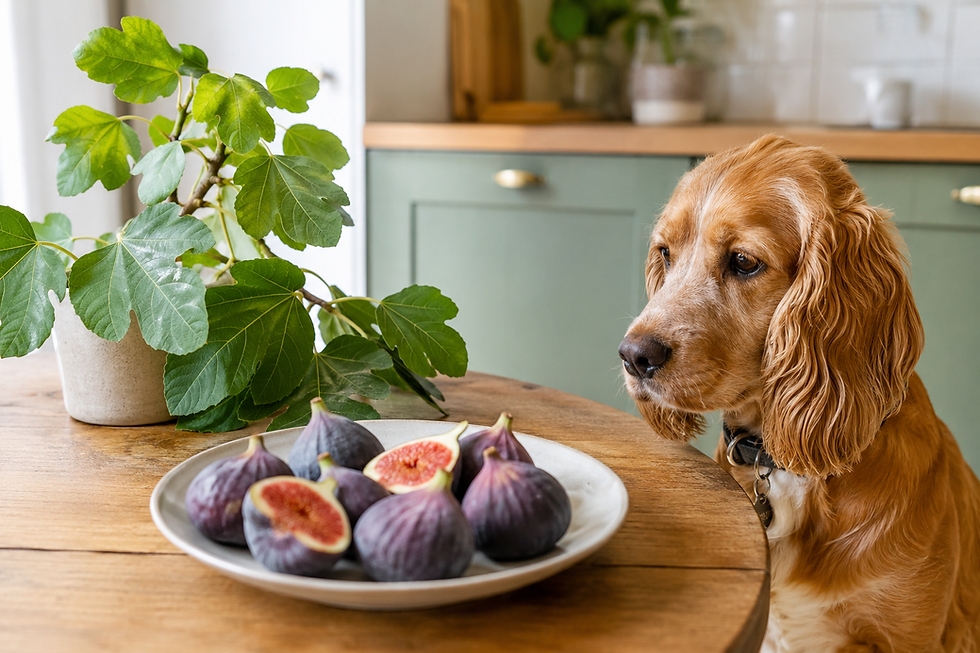
Harmful Food For Dogs.
While it might be tempting to share the scraps from your table with your furry friend, you have to remember that not all human food is safe for Dogs.
Some of the worst foods are:
Chocolate
Grapes
Onions
Garlic
These can be very harmful and, in some cases, even fatal to Dogs.

Planning Your Dog's Diet.
When planning a diet for Small Dogs, it's essential to prioritise nutritional balance and portion control.
Small Dogs require diets rich in Protein to support muscle health.
They then need Healthy Fats for energy and Carbohydrates to meet their metabolic needs.
They also require Vitamins and Minerals, which are crucial for:
Optimal Health
Bone Development
Immune Function
However, due to their compact size and slower metabolism, Small Dogs can be prone to Obesity.
Therefore, when feeding a Small Dog, it is crucial to take responsibility and monitor their calorie intake and portion sizes.
Providing your dog with regular, scheduled meals is not just a routine; it's essential for their well-being.
It's a powerful tool for controlling portion sizes and maintaining your Small Dog's weight.
It also demonstrates your knowledge and care for your pet.
Always consult with a Veterinarian to create a Diet Plan tailored to your Small Dog's specific nutritional needs.
This professional advice will give you the confidence to make decisions about your pet's care.
Especially if they are approaching senior age or suffer from food allergies.
Hydration.
Hydration is another crucial aspect of a Small Dog's Diet.
Small Dogs can become dehydrated quickly due to their fast metabolism.
You should ensure they always have access to fresh, clean water, a crucial component in maintaining their health.

Portions.
It's also important to know how much to feed your Small Dog.
Overfeeding your dog can lead to Obesity, which brings a host of health issues, including:
Heart Disease
Diabetes
Always follow the package guidelines, and if you are still unsure, contact the Dog Food Brand's support team.
Regular check-ups.
Even with the best diet, regular Veterinary check-ups are essential.
Regular check-ups can help your Vet identify any potential health issues early.
Your Vet can also discuss with you whether your Small Dog's Diet meets their unique needs.
Final Thoughts
Feeding your Small Dog involves more than just choosing the right food.
It also involves understanding their unique nutritional needs, providing clean water at all times, avoiding harmful foods, and scheduling regular Veterinary check-ups.


Comments