
A Comprehensive Guide To The Working Dog Group

People bred working dogs to do useful, demanding work beside them
They guarded homes, pulled sledges, rescued people, moved supplies, protected livestock, and helped communities survive harsh climates.
The Working Dog Group brings together many of these powerful, intelligent, and task-driven breeds.
This guide explains where working dogs came from, what traits define them, which breeds stand out, and what roles they still perform today.

Hard terrain, cold weather, and practical jobs shaped many working dogs.
What the Working Dog Group means
The Working Dog Group is a kennel club category for breeds developed to perform practical jobs.
These jobs often required strength, courage, stamina, judgement, and close cooperation with people.
Common tasks included guarding property, pulling carts, hauling sledges, rescuing people from water or snow, and protecting farms.
The group includes some of the largest and strongest breeds in the dog world.
It also includes agile, athletic dogs that can cover distance, stay alert, and make quick decisions.
Not every hard-working dog belongs to the Working Dog Group.
Many Herding dogs, Gun dogs, Hounds, and Terriers also work.
Kennel clubs sort breeds by historic purpose, but categories aren't identical across countries.
A German Shepherd Dog, for example, may be classified in the Pastoral or Herding group rather than a working group, even though the breed performs police, search, service, and protection roles worldwide.
That is why the term can mean two related things.
It can mean a formal showing group.
It can also describe dogs bred and trained for serious work.
Both meanings matter when learning about working dog breeds.
One explains breed classification.
The other explains behaviour, training needs, and daily care.
Working Dog Group standards vary by kennel club.
Breed groups are not universal.
The Kennel Club in the UK, the American Kennel Club, the Fédération Cynologique Internationale, and other registries use their own systems.
A breed listed as a Working dog in one country may appear in another group elsewhere.
The core idea stays consistent.
Working dogs were shaped by jobs that demanded physical power, nerve, loyalty, endurance, and control.
This matters because group labels can influence public expectations.
A breed may look calm and noble in the show ring, but its history may point to guarding instinct, cold-weather endurance, or a high need for structured activity.
Good ownership starts with that history.
The history of working dogs
The history of working dogs is the history of practical partnership.
People did not develop these breeds for appearance alone.
They selected dogs that could solve problems in real places.
In remote mountain regions, large dogs guarded livestock and homes.
In fishing communities, strong swimmers helped retrieve lines, carry items, and assist people in cold water.
In freezing northern regions, sledge dogs moved people and supplies across snow and ice.
In towns and farms, mastiff-type dogs guarded property and helped keep danger at bay.
In markets and villages, draught dogs pulled small carts loaded with goods.
These roles shaped bodies and minds.
A draught dog needed a broad chest, powerful shoulders, and a steady temperament.
A sledge dog needed endurance, a weatherproof coat, efficient movement, and teamwork.
A guardian breed needed confidence, watchfulness, and the ability to stay calm until action was needed.
A water rescue dog needed strength, swimming ability, courage, and a coat that handled cold water.
The history of working dogs also reflects local culture.
The St.. Bernard is linked with Alpine rescue traditions.
The Newfoundland is linked with the water and fishing communities of Atlantic Canada.
The Siberian Husky and Alaskan Malamute are linked with northern travel and sledge work.
The Rottweiler traces back to droving and guarding work, with roots often associated with Roman cattle dogs and later market-town use.
The Boxer, Dobermann, Bullmastiff, and Giant Schnauzer became known for guarding, protection, utility, and service roles.
Many of these jobs changed with modern transport and technology.
Dogs no longer pull most goods through towns.
Few families need a mastiff to guard a rural estate.
Snowmobiles and vehicles replaced many sledge teams.
Yet the instincts did not disappear.
Modern working dogs still need mental work, movement, boundaries, and a clear role.
Sledge breeds show how climate and work shaped movement, coat, and stamina.

Core working dog traits that define the group
Working dog traits differ by breed, but clear patterns appear across the group.
These dogs tend to be confident, physically capable, and quick to learn when training makes sense.
Many working breeds have strong protective instincts.
Some are naturally reserved with strangers.
Some are independent because their original work required judgement from a distance.
Others are highly people-focused and want constant direction.
Size is another clear theme.
Many breeds in the group are large or giant.
That size can bring strength, presence, and usefulness.
It also raises the need for early training, careful exercise during growth, and sensible handling.
A small behaviour problem in a toy breed can be annoying.
The same behaviour in a powerful working breed can become unsafe.
Working dogs also need mental structure.
A long walk helps, but it does not replace training, scent work, pulling sports, water work, obedience, tracking, or problem-solving games.
Boredom can lead to barking, digging, chewing, reactivity, or escape attempts.
A tired working dog is not just physically exercised.
It has used its brain.
Trait | What it means in daily life | Breeds where it is often seen |
Strength | Needs controlled lead skills and careful handling | Mastiff, Rottweiler, Newfoundland |
Stamina | Needs regular activity and recovery | Siberian Husky, Alaskan Malamute, Samoyed |
Watchfulness | Needs socialisation and calm exposure | Dobermann, Bullmastiff, Giant Schnauzer |
Independence | Needs clear rules and patient training | Pyrenean Mountain Dog, Hovawart, Malamute |
Trainability | Learns fast with fair, consistent methods | Boxer, Portuguese Water Dog, Dobermann |
Temperament always varies between individual dogs.
Breeding, early life, training, health, and environment all matter.
Breed history offers useful clues, but it does not replace meeting the dog in person.
A working dog's temperament is not the same as aggression.
A good working temperament is stable.
It is not frantic, fearful, or reckless.
A well-bred guardian should assess situations rather than react to everything.
A good sledge dog should show drive and stamina without losing the ability to work as part of a team.
A strong water dog should be confident without being unmanageable.
Aggression is not a badge of quality.
Sound working dogs need nerve, control, and judgement.
Poor socialisation, harsh handling, pain, frustration, and irresponsible breeding can lead to serious behavioural problems in any breed.
Training should build trust and reliability.
It should not create fear.
Key working dog breeds and their unique traits
The Working Dog Group contains many breeds with different body types and purposes.
Some are guardians.
Some are hauliers.
Some are water workers.
Some are versatile utility dogs.
The breeds below show the group's range.
Guarding working dog breeds
Guarding breeds often combine confidence, loyalty, strength, and alertness.
They need early socialisation and calm leadership.
They also need owners who understand that protection instinct should be managed, not encouraged without skill.
Rottweiler
The Rottweiler is powerful, steady, and often deeply attached to its family.
Historically, the breed worked as a drover, guardian, and cart dog.
A well-trained Rottweiler can be calm and reliable, but poor handling can create serious problems.
This breed needs fair rules, early socialisation, and outlets for strength and focus.

Dobermann
The Dobermann is athletic, alert, and highly trainable.
The breed was developed for personal protection and later became known in service, military, and police-style work.
Dobermanns often form strong bonds with their people.
They need mental work, movement, and careful social exposure.

Bullmastiff
The Bullmastiff was developed in Britain to help gamekeepers guard estates.
The breed is large, powerful, and usually less frantic than many lighter working breeds.
It can be affectionate at home and watchful around strangers.
Training should focus on manners, recall, loose-lead walking, and calm confidence.

Boxer
The Boxer is energetic, playful, strong, and expressive.
It has roots in utility and guarding work.
Many Boxers keep a youthful character for years.
They need training that channels enthusiasm without crushing their confidence.

Giant Schnauzer
The Giant Schnauzer is strong, intelligent, and serious.
It has worked as a cattle-driving, guarding, and service breed.
This dog often needs more mental work than casual owners expect.
Clear training and regular jobs suit it well.

Mastiff
The Mastiff is a classic large guardian type.
It is known for great size, dignity, and protective presence.
Many Mastiffs are calm, but their weight and strength demand early manners.
Short, steady training sessions work better than pressure.

Great Dane
The Great Dane has roots in hunting large game and guarding.
Modern Great Danes are often gentle, friendly, and people-centred.
Their size creates practical needs.
Space, joint care, training, and safe handling matter from puppyhood.

Mountain and rescue working dog breeds
Mountain and rescue breeds often developed in harsh climates.
Many have thick coats, strong bodies, and calm temperaments.
They were bred to work in cold, difficult conditions.
St. Bernard
The St. Bernard is strongly linked with Alpine rescue history.
The breed is large, gentle, and powerful.
Modern St. Bernards need careful weight management, good training, and protection from overheating.
Their calm nature can be a good match for families with space and time.

Newfoundland
The Newfoundland is one of the best-known water rescue breeds.
It has a thick coat, strong swimming ability, and a broad, powerful body.
Many Newfoundlands are gentle and patient.
They also drool, shed, and need regular grooming.
Their size makes early training essential.

Bernese Mountain Dog
The Bernese Mountain Dog worked as a farm dog in Switzerland.
It pulled carts, guarded property, and helped around livestock.
The breed is friendly, sturdy, and striking in appearance.
It needs companionship, coat care, and moderate daily exercise.

Leonberger
The Leonberger is a giant companion and working breed with a calm, imposing look.
It often enjoys family life, water, and outdoor activity.
Its coat needs regular maintenance.
Its size means training must start early.

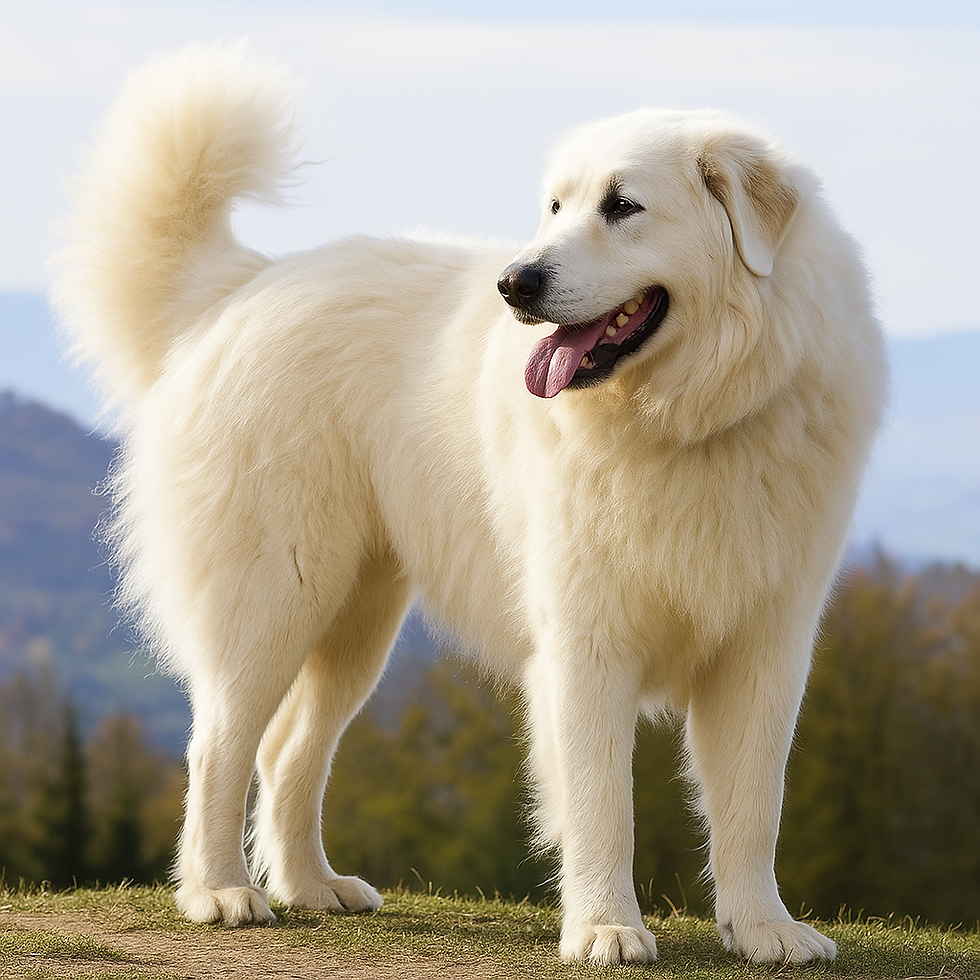
Pyrenean Mountain Dog
In some countries, the Pyrenean Mountain Dog is also known as the Great Pyrenees and was bred to guard livestock.
It is watchful, independent, and often active at night.
This breed can make its own decisions.
Secure fencing, patient training, and respect for its guarding background are vital.
Portuguese Water Dog
The Portuguese Water Dog worked with fishers.
It helped retrieve gear, carry messages between boats, and work in water.
It is athletic, bright, and often lively.
Its coat needs ongoing care, and its brain needs regular work.

Sledge and spitz working dog breeds.
Sledge and spitz breeds bring endurance, weather resistance, and strong movement.
They often have thick coats, curled or plumed tails, and independent minds.
Many are vocal.
Many have high prey drive.
Recall can be challenging in open spaces.
Siberian Husky
The Siberian Husky is light, efficient, and built for distance.
It often enjoys running, pulling, and social activity.
Huskies can be friendly with people but hard to trust off-leash.
They need secure spaces and careful exercise planning.

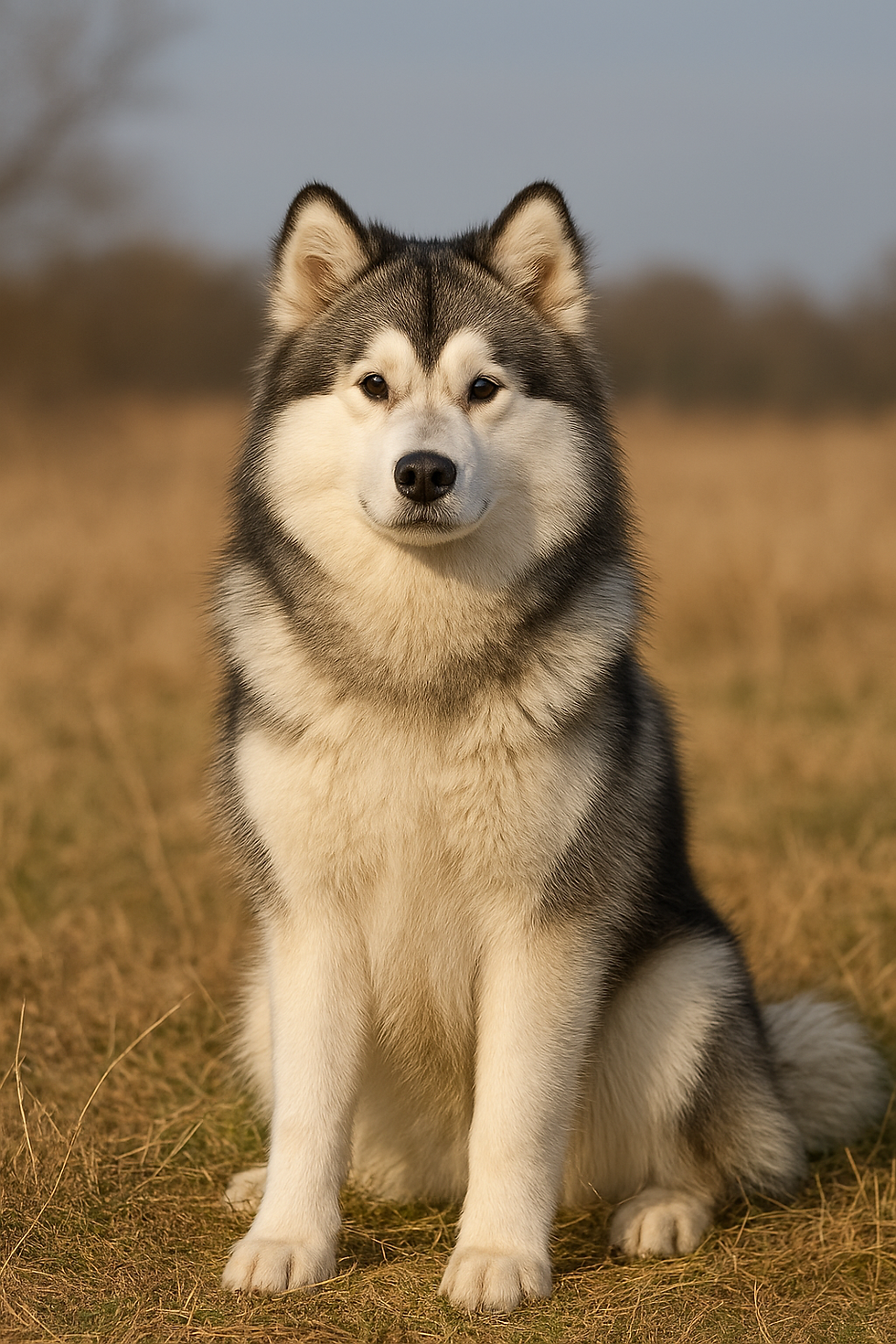
Alaskan Malamute
The Alaskan Malamute is heavier and stronger than the Husky.
It was bred to haul loads rather than sprint.
Malamutes are powerful, affectionate, and independent.
They need experienced handling, good fencing, and structured exercise.
Samoyed
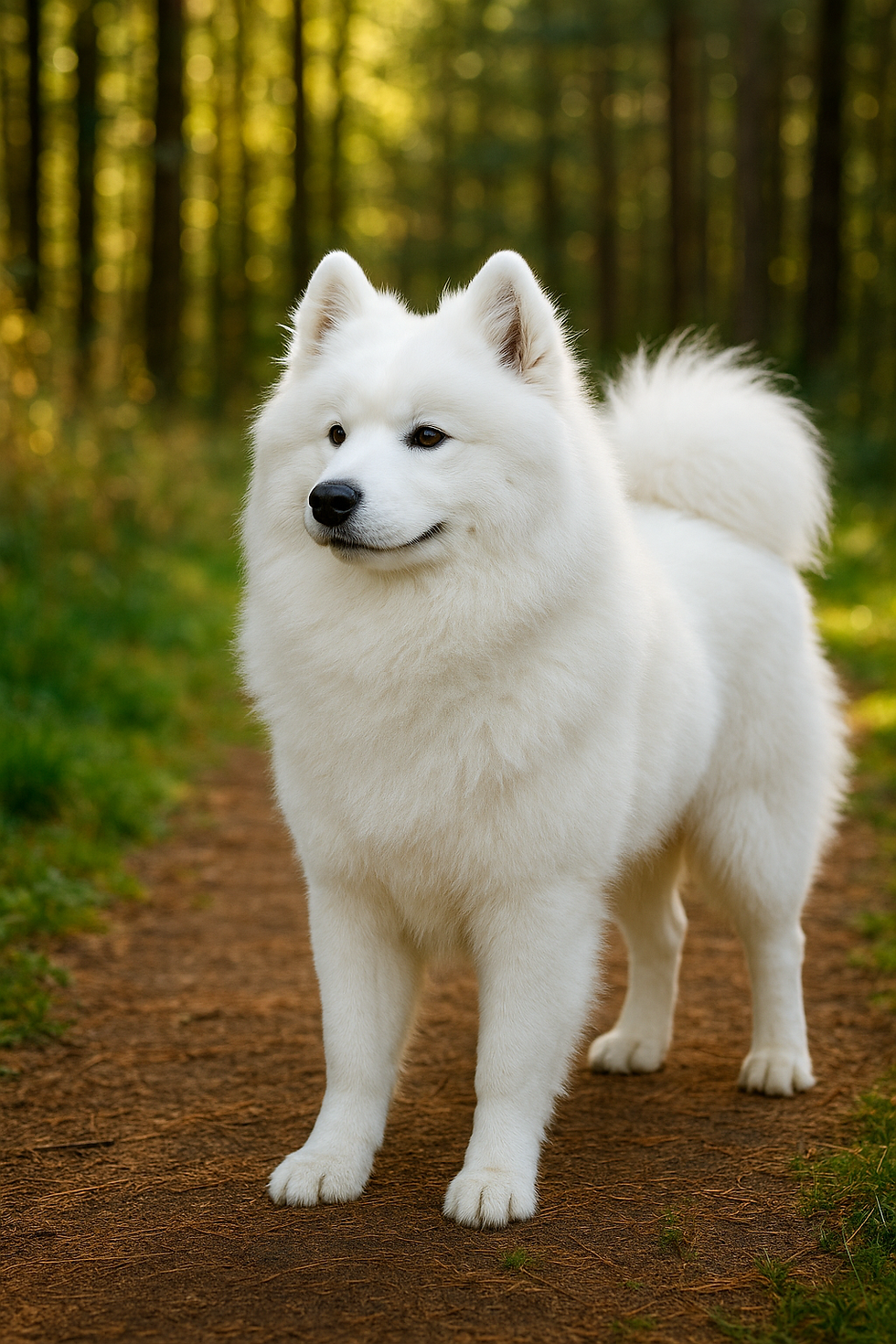
The Samoyed is friendly, bright, and known for its thick white coat.
Its coat needs serious grooming, especially during shedding periods.
It has roots in herding, sledging, and close companionship in cold climates.
The breed often enjoys people and activity.
Canadian Eskimo Dog
The Canadian Eskimo Dog is a rare northern working breed with great toughness and drive.
It was used for sledge work and survival in Arctic conditions.
This is not a casual pet for most homes.
It needs expert handling, space, and work that respects its heritage.
Guardian breeds need judgement, socialisation, and steady training.

Versatile working dog breeds
Some breeds in the group are harder to fit into one single role.
They may have worked as guards, farm dogs, hauliers, companions, or all-purpose utility dogs.
Hovawart
The Hovawart is a German working breed known for guarding homes and property.
It is confident, intelligent, and often devoted to its family.
It can be independent.
Training should be consistent and calm.

German Pinscher
The German Pinscher is smaller than many working breeds, but it is sharp, active, and bold.
It has roots in farm and vermin control work.
It needs activity, training, and strong boundaries.

Dogue de Bordeaux
The Dogue de Bordeaux is a powerful French mastiff-type breed.
It has worked as a guardian, hunter, and draught dog.
It can be affectionate and calm at home.
Its size, strength, and health needs require careful planning.

Black Russian Terrier
The Black Russian Terrier is large, strong, and protective.
It was developed as a military and working dog in the Soviet era.
It needs experienced training, grooming, and socialisation.
This breed is not a low-effort choice.

Working dog roles in modern life
Modern working dog roles have changed, but they have not vanished.
Many dogs still serve in practical jobs.
Others live as companions, using their instincts through sport, training, and structured activities.
Working dogs in guarding and protection roles
Some working dogs still guard homes, farms, land, and livestock.
Livestock guardian breeds protect animals from predators in rural areas.
Protection breeds may work with trained handlers in security or police settings.
These roles require skill.
An untrained protective breed can become a liability.
Ethical protection work must focus on control, stability, and welfare.
It should never encourage uncontrolled aggression.

Working dogs in search and rescue roles
Search and rescue dogs use scent, stamina, and training to locate missing people.
They may work in open countryside, disaster areas, snow, or water.
Many breeds can do scent work.
Working breeds with focus, courage, and physical ability often perform well.
Search and rescue requires long training, strong handler commitment, and careful selection.
Working dogs in water work
Newfoundlands and Portuguese Water Dogs are closely linked with water work.
Newfoundlands are famous for strength in water and calm rescue instincts.
Portuguese Water Dogs are agile, energetic, and suited to active water-based tasks.
Formal water training builds safety and confidence.
It also gives these dogs a meaningful outlet.
Working dogs in pulling and draught roles
Sledge breeds still pull in recreational and competitive settings.
Dryland mushing, canicross, bikejoring, skijoring, and sledging can suit dogs bred to run and pull.
Carting can also suit some large draught breeds when introduced safely.
Dogs need the right harness, gradual conditioning, and age-appropriate training.
Young dogs should not pull heavy loads while still growing.
Working dogs in assistance and service roles
Some working breeds serve as assistance or service dogs, though many common service dogs come from gundog or pastoral backgrounds.
Temperament matters more than group label.
A service dog needs calm focus, public confidence, trainability, and stability.
Large working breeds can suit mobility support in some cases.
They also pose practical issues, including size, transport, grooming, and management of public access.
Working dogs as family companions
Many working dogs live in family homes.
That can work well when the home matches the dog.
A good match means enough space, time, training, socialisation, and money for food, grooming, insurance, and veterinary care.
Working dogs often become deeply attached to their people.
Without guidance, they can also become overprotective, frustrated, or hard to manage.
The best family working dogs are not the ones with no instincts.
They are the ones whose instincts are understood and given healthy outlets.
Training, exercise, and care for working dogs
Training a working dog is not about domination.
It is about clarity, consistency, and trust.
These breeds often notice weak routines fast.
They need rules that stay the same.
They also need rewards that make sense to them.
Food, toys, praise, play, scent work, movement, and access to a task can all motivate different dogs.
Working dog training must start with clarity.
Puppy training should begin early.
Basic skills include:
Name response
Recall foundations
Loose-lead walking
Settling
Polite greetings
Handling
Calm exposure to the environment
Socialisation does not mean forcing a puppy to meet every dog or person.
It means helping the puppy feel safe around normal life.
That includes :
Traffic
Distant livestock
Grooming tools
Visitors
Children
Other dogs
Strange surfaces
Quiet time alone
Large breeds need special focus on manners.
Jumping up, pulling, guarding food, and rushing the door become harder to fix once the dog reaches adult size.
Short daily sessions work better than rare long sessions.
Calm repetition builds reliability.
Exercise needs more than distance.
A working dog may need long walks, but distance alone is not enough.
Many need a mix of movement, training, sniffing, rest, and problem-solving.
A young giant breed should not be over-exercised.
Growing joints need care.
A vet or qualified trainer can guide safe activity for puppies and adolescents.
Adult dogs may enjoy:
Hiking
Pulling sports
Scent work
Obedience
Water training
Tracking
Structured play.
Breed history should guide the plan.
A Husky may love running in cool weather.
A Newfoundland may prefer swimming and steady walks.
A Mastiff may do better with moderate exercise and plenty of rest.
Weather matters.
Cold-weather breeds can struggle in heat.
Short-faced breeds or heavy breeds may overheat quickly.
Exercise should change with temperature, age, health, and body condition.
Health and grooming need planning.
Many working dogs are large, and large dogs can bring higher day-to-day costs.
Food bills, grooming, equipment, transport, and veterinary care all increase with size.
Some breeds have known health risks, including:
Joint problems
Bloat
Heart conditions
Eye issues
Skin problems,
Breathing concerns
Responsible breeders health test where appropriate and discuss breed-specific risks openly.
A fit working dog should have muscle, mobility, and stamina.
It should not carry extra weight to look bigger.
Training and daily care should match the breed's size, coat, and purpose.
Grooming needs vary widely.
A Doberman has a short coat.
A Samoyed has a thick double coat that needs care.
A Newfoundland needs frequent brushing and drying after water.
A Giant Schnauzer needs regular coat maintenance.
Nail care, ear checks, dental care, and weight control matter for every breed.

How to choose a Working Dog Group breed
Choosing a working dog breed should start with function, not looks.
A thick coat, giant frame, or striking expression can be appealing.
The original job tells a more useful story.
Ask what the dog was bred to do.
Ask whether that behaviour fits daily life.
A guarding breed may not enjoy a home with constant visitors.
A sledge breed may struggle without running outlets and secure fencing.
A giant breed may be calm indoors but costly and difficult to transport.
A water breed may bring mud, wet coats, and grooming time.
A smart utility breed may invent its own work if no one provides any.
Good breeders and reputable rescue organisations will ask questions.
That is a positive sign.
They should care where the dog goes.
They should explain temperament, health, grooming, training, and realistic challenges.
Avoid anyone who sells fear, status, or extreme size.
A working dog should be sound in body and mind.
The right match feels practical and emotional.
It fits the home, schedule, budget, handling skill, and long-term plans.
FAQ about the Working Dog Group
What is the Working Dog Group?
The Working Dog Group includes breeds developed for practical jobs such as guarding, pulling, rescue, draught work, and protection.
The exact breeds vary between kennel clubs.
Are working dogs good family pets?
Many working dogs can be excellent family companions.
They need training, socialisation, exercise, and clear routines.
Breed instincts should match the household.
Which working dog breed is best for beginners?
There is no single best choice.
Some calmer, well-bred individuals may suit committed first-time owners with support.
Giant guardians, strong protection breeds, and high-drive sledge dogs often need more experience.
Do working dogs need a job?
Most working dogs benefit from a job.
That job can be formal work, training, scent games, water work, pulling sports, obedience, hiking, or structured play.
Mental work matters as much as physical exercise.
Are Working Dog Group breeds hard to train?
They are often intelligent and capable.
Some are also independent, strong, or protective.
Training works best when it is fair, consistent, reward-based, and started early.
Final Thoughts on Working Dogs
The Working Dog Group is built on purpose.
These breeds carried supplies, guarded homes, saved lives, pulled sledges, worked water, and stood beside people in demanding places.
Their modern lives can look different, but their needs still reflect that past.
A working dog needs more than admiration.
It needs training, structure, appropriate exercise, healthcare, and a meaningful role.
Choose with the breed's history in mind, and you can get a steady, capable, deeply loyal companion.


Comments